
Depression Test Online: A Comprehensive, Research-Backed Guide
Depression Quiz for Teens & Adults
Get StartedWhat an Online Depression Screening Really Is and Why People Use It
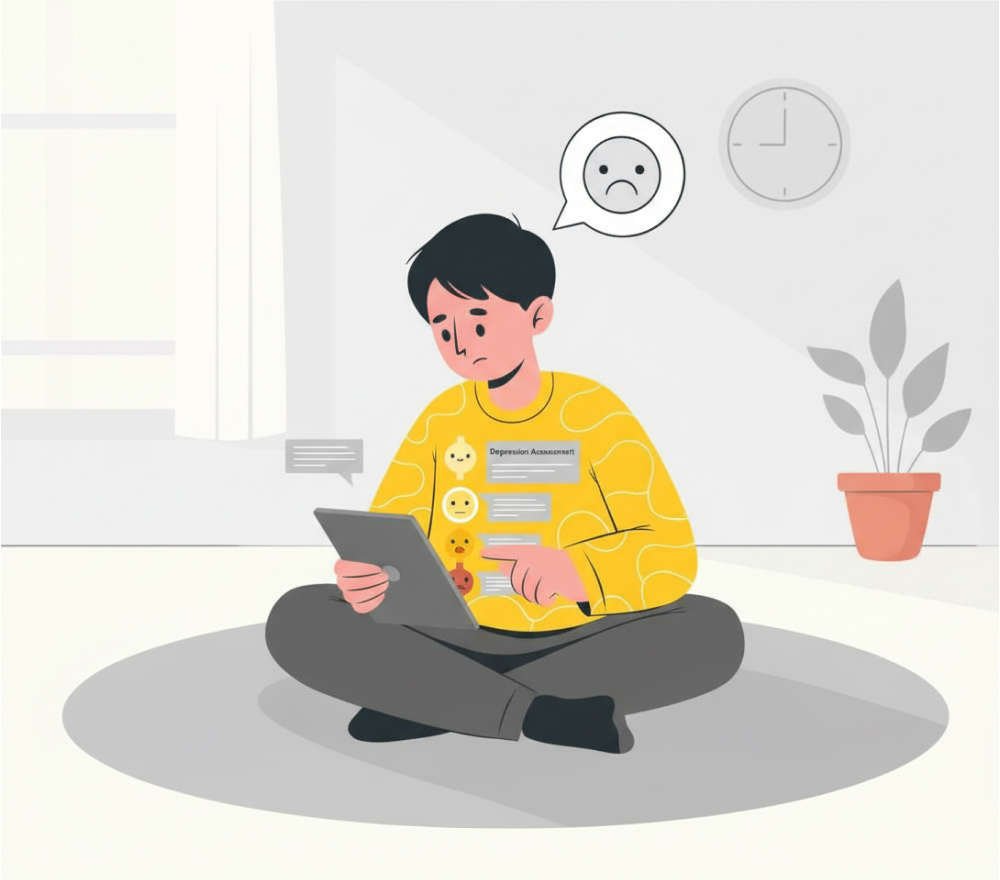
Digital self-assessments for mood are designed to help you notice patterns, reflect on symptoms, and decide whether it’s time to speak with a clinician. They aren’t formal diagnoses, but they can provide a grounded snapshot of how you’ve been feeling across the past couple of weeks. Many are modeled on validated instruments such as the PHQ-9 or HADS, which have been widely studied and translated into accessible questions. Because they are available around the clock, these tools give you privacy, convenience, and a gentle first step toward understanding emotional health.
Beyond convenience, these questionnaires introduce shared language for describing sadness, anhedonia, fatigue, sleep disruption, and concentration issues. Many readers find that depression test online tools lower the barrier to self-reflection without replacing professional care. You can review a score breakdown, read practical suggestions, and capture notes to discuss with a therapist or primary care provider. That combination of structure and anonymity helps people feel safer exploring sensitive topics.
Another reason these assessments resonate is their immediacy. For quick orientation, an online depression test can approximate your symptom burden using validated questions and clearly defined scoring cutoffs. Short explainer text often clarifies what different score ranges mean and what kinds of support might be helpful. In minutes, you move from vague concern to a concrete starting point for action.
How Digital Mood Quizzes Work, From Question Design to Scoring and Feedback
Well-constructed assessments follow a rigorous blueprint. Questions map to diagnostic criteria, each response carries a weighted value, and total scores align with severity thresholds (for example, minimal, mild, moderate, moderately severe, severe). Behind the scenes, psychometrics such as reliability (consistency across time) and validity (does it measure what it claims to measure) determine quality. Clear instructions, neutral wording, and a consistent time frame (“over the past two weeks”) reduce bias and make results more interpretable. Feedback then converts raw numbers into plain guidance, with reminders to seek professional care if risk indicators appear.
Format choices also influence user experience and accuracy. When you prefer a snackable format, an online depression quiz translates clinical ideas into plain-language items without sacrificing core concepts. Visual cues, progress bars, and autosave features can reduce drop-off, while privacy banners and consent prompts set expectations. Reliable tools document their source instruments, explain scoring, and avoid sensational claims.
Labels matter, too, because they shape expectations. Gamified interfaces may call themselves a depression test online quiz, yet the scoring still maps to core symptom clusters and duration criteria. The most trustworthy options disclose whether licensed clinicians reviewed the content, whether the tool is for screening only, and how to reach crisis resources if you’re in immediate danger.
How to Get the Most From an Online Mood Assessment
The big advantage of digital screening is access: you can explore your mental health at any time, in private, without waiting lists or travel. You get structured questions that cut through “I’m just tired” explanations and illuminate specific patterns like sleep changes, irritability, or loss of interest. Many platforms also include compassionate next-step suggestions, such as journaling prompts, therapy directories, or lifestyle ideas that complement professional care. Still, screenings remain snapshots; they can’t replace a clinician’s full evaluation, which considers medical history, medications, context, and safety planning.
Cost can be a barrier to care, so affordability matters. If budget is tight, a free depression test online reduces friction so you can screen early and decide on next steps. Even with no price tag, look for clear disclaimers, citations to validated scales, and straightforward explanations of your privacy rights. A helpful tool invites self-compassion and encourages follow-up when results suggest moderate to severe symptoms.
Choosing wisely also means recognizing what a screening cannot do. For many newcomers, a free online depression test provides a low-stakes way to check in between appointments or before reaching out. Yet only a licensed professional can diagnose conditions, differentiate depression from other issues (like thyroid or sleep disorders), and tailor treatment. Keep this in mind as you use results to spark a supportive conversation rather than to self-label definitively.
- Use the same tool weekly to track changes consistently.
- Bring printed or saved results to appointments for context.
- Pair insights with supportive habits like movement, sleep hygiene, and social connection.
How to Choose a Reliable Online Tool (and Compare Features at a Glance)
Quality varies widely across websites, so a brief vetting process pays off. Start by checking whether the questions come from a known instrument and whether the site cites sources. Look for an about page that names clinicians or researchers, along with a privacy statement that is written in plain language. Transparency, data handling, and appropriate crisis guidance are nonnegotiable when the topic is mental health.
Some directories label options as online depression test free, but reliability hinges on the underlying scale and how results are explained. Simple design is a plus, provided the creators are accountable and the content is medically reviewed. A trustworthy site avoids alarmism, frames results as informational, and points to professional help when needed.
| Criterion | Why it matters | What to look for |
| Validated instrument | Ensures the questions reflect evidence-based measures | References to PHQ-9, HADS, or similar scales |
| Transparent scoring | Helps you interpret results accurately and calmly | Clear severity ranges and friendly explanations |
| Privacy practices | Protects sensitive health information | Plain-language policy and minimal tracking |
| Crisis resources | Provides immediate support options | Hotline links and urgent care guidance |
It also helps to read a page’s tone: supportive text and realistic claims are good signs. Beware of sites that shout depression test online free, because clear privacy notices and transparent scoring are better indicators of quality than eye-catching banners. When in doubt, choose tools associated with hospitals, universities, or recognized mental health organizations.
Interpreting Results, Tracking Progress, and Turning Insight Into Action
Scores are guides, not verdicts. Treat your result as a conversation starter with yourself and, when possible, with a healthcare professional. If your numbers suggest mild concerns, consider low-intensity steps like sleep regularity, routine, and social connection, then recheck in a week or two. If results indicate moderate to severe symptoms, prioritize professional evaluation, especially if you notice hopelessness or thoughts of self-harm. In urgent situations, use crisis resources immediately.
Consistency matters when using digital tools for monitoring. If a score feels unsettling, rerun the check with a different instrument billed as online test depression to see whether patterns persist across formats. Keep a simple log of stressors, sleep, exercise, and medications so you can connect fluctuations to real-life changes. This context helps clinicians fine-tune recommendations.
Preparation can make appointments more effective. People planning next steps sometimes seek a free online test for depression so they can prepare questions for their clinician and bring concrete examples. Capture a few notes on what feels hardest, what helps even a little, and what you hope to change. Balanced information makes shared decision-making smoother and more empowering.
- Note two daily wins, no matter how small, to counter all-or-nothing thinking.
- Schedule enjoyable activities alongside obligations to rebuild motivation.
- Ask providers about therapy, medications, and lifestyle supports that fit your context.
Privacy, Data Ethics, and Safe Use of Digital Mental Health Tools
Your emotional data is sensitive, and it deserves strong protections. Before answering questions, skim the privacy policy and look for details on tracking, cookies, data retention, and sharing practices. Reputable sites limit third-party scripts, avoid selling data, and provide contact information for privacy inquiries. When possible, use tools without requiring accounts, and consider clearing your browser history if you’re on a shared device. Small steps like these preserve confidentiality and peace of mind.
Not every site handles information responsibly, and marketing pressures can distort intent. If you want lightweight engagement, a free online depression quiz can be a gentle starting point for exploring mood patterns without heavy data collection. Ethical platforms state that results are informational, avoid intrusive ads, and emphasize immediate help when someone is in crisis. The goal is support, not exploitation.
Trust is built through candor and restraint, which includes guarding against misleading claims. Always skip platforms that dangle a free online depressed test but bury how they use and store the information you provide. Look for organizations that partner with clinicians, publish authorship and review dates, and offer plain guidance on consent. With careful selection, you can benefit from reflection without compromising privacy.
FAQ: Common Questions About Online Depression Screenings
Are digital mood screenings accurate enough to be useful?
They can be very informative when they rely on validated instruments and provide transparent scoring. Accuracy improves when questions are answered honestly and within the stated time frame. Treat results as a prompt for follow-up, not as a stand-alone diagnosis.
How long does a typical assessment take, and what will I see at the end?
Most take 2–5 minutes, with immediate feedback that maps your score to severity ranges. You’ll typically see brief explanations, suggested next steps, and links to professional resources or crisis lines. Saving or printing results can help you track changes over time.
What should I do if my score looks high or I feel worse after reading it?
If the result suggests moderate to severe symptoms, consider contacting a clinician promptly. In any moment of imminent risk, reach emergency or crisis services right away. It’s also okay to pause, breathe, and return to the information with support from someone you trust.
Can these tools replace therapy or medication?
No, they’re screening tools that help you notice patterns and prepare for care. Only a licensed professional can diagnose conditions, rule out medical contributors, and personalize treatment. Think of the assessment as a map, and your care team as the guide for the journey.
How do I choose a trustworthy site for mental health self-assessment?
Look for citations to known scales, plain privacy policies, and a calm, non-alarmist tone. Preference should go to hospitals, universities, or established mental health organizations. Clear crisis guidance is another sign that the creators prioritize safety and ethics over clicks.