Could It Be Depression?
Explore Yourself
Online Depression Questionnaire: Take Test & Quiz
 Understanding Adolescents Facing Low Mood and Hopelessness
New Updates

The Complete Guide to Online Depression Quiz: Benefits, Limits, and Smart Next Steps
What an Online Screening Can and Cannot Do
Online mental health screeners can be a helpful first step when low mood, exhaustion, or loss of interest...

Depression Test for Free : How No-Cost Screeners Empower Better Mental Health Decisions
What a Depression Self-Test Is and Why It Matters
Self-assessments for mood concerns help people reflect on symptoms such as low energy, sleep change...

Depression Test Online: A Comprehensive, Research-Backed Guide
What an Online Depression Screening Really Is and Why People Use It
Digital self-assessments for mood are designed to help you notice patterns, refle...
Depression Quiz for Teens & Adults
Get StartedDepression Screening Test: Get Clarity About Your Feelings With Assessment
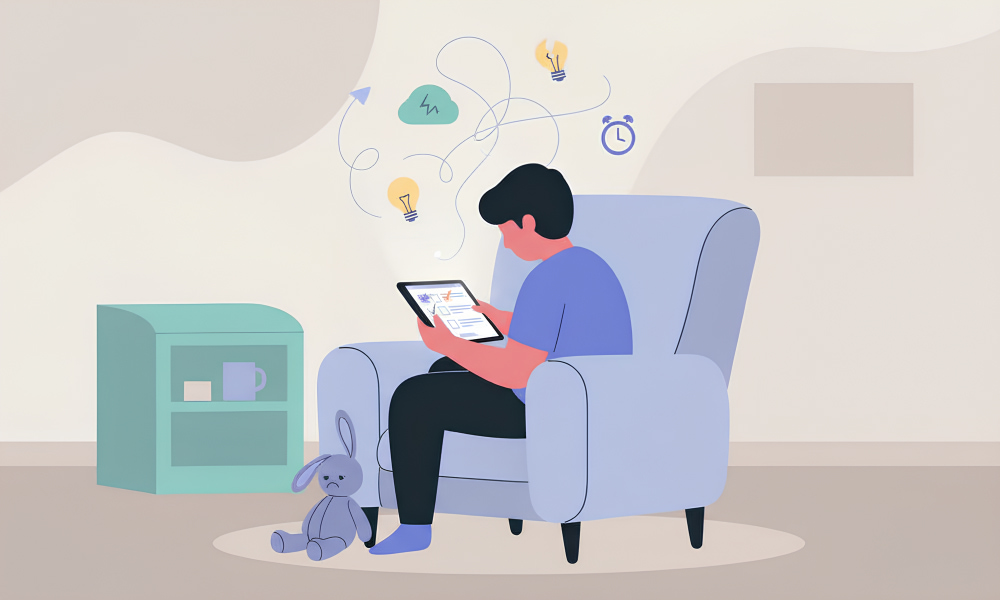
Early, structured check-ins about mood can spotlight patterns that many people overlook while juggling work, school, and family obligations. Validated tools convert subjective experiences into consistent indicators, helping you notice shifts in sleep, energy, motivation, or concentration. This kind of clarity does not replace a clinician, yet it reduces guesswork and equips you to speak more confidently with a professional. With that foundation, individuals can track progress over time, identify triggers, and differentiate fleeting sadness from something more persistent.
Many readers rely on standardized tools, and the depression test is often mentioned as a starting point for reflection. When curiosity and uncertainty mix, a brief depression quiz can bridge the gap between vague worry and concrete awareness. Context still matters, so it helps to consider stress load, medical conditions, medications, and recent life changes while reviewing any score. Combining structured questions with personal journaling, sleep logs, or step counts can reveal whether low mood is situational, cyclical, or expanding.
- Use consistent timing to compare scores week to week.
- Pair results with notes on sleep duration, appetite, and social interaction.
- Track functional impact at home, school, or work to gauge real‑world change.
- Share patterns with a professional to refine care decisions.
Types of Tools and When Each Approach Is Most Useful
Different tools emphasize speed, depth, or clinical nuance, and the right choice depends on your questions. Clinicians may opt for a formal depression assessment when nuanced differential diagnosis is required. Meanwhile, self-guided formats can amplify self-awareness between appointments or while you consider seeking help. Variety helps reduce blind spots, because mood can fluctuate with seasons, hormones, stressors, and physical health.
| Tool type | Approx. time | Best for | Notes |
|---|---|---|---|
| Self‑report checklist | 2–5 minutes | First look and routine tracking | Easy to repeat; watch for response bias and context effects. |
| Digital adaptive screener | 3–7 minutes | Mobile users seeking personalization | Adjusts to responses; ensure data privacy and credible sources. |
| Clinician‑guided interview | 20–45 minutes | Complex symptoms and comorbidities | Offers nuance on severity, impairment, and safety planning. |
| Youth‑friendly scale | 5–10 minutes | School or family settings | Developmentally tuned language; invites caregiver input. |
Self-report forms, like a well-constructed depression questionnaire gather consistent snapshots of mood, sleep, and energy. Research compares multiple depression tests to ensure reliability, validity, and cultural sensitivity. When interpreting any score, weigh psychometric concepts such as sensitivity, specificity, and false positives, and remember that language, culture, and neurodiversity influence responses.
- Choose instruments validated for your age and language.
- Confirm that cutoffs align with your context and goals.
- Repeat on the same schedule to detect meaningful change.
Digital, Fast, and Private Options Without Losing Quality
Technology makes screening more accessible while you protect your time and confidentiality. Mobile apps, secure web portals, and encrypted forms allow you to evaluate mood at home, at lunch, or during a commute. Automated scoring provides immediate feedback, and reminders encourage steady follow-up. Despite the convenience, quality varies widely, so prioritize respected sources and transparent scoring methods. Consider how data are stored and whether you can export results for a clinician. Time-pressed users appreciate a quick depression test during breaks without sacrificing clarity. Privacy-minded people sometimes prefer a discreet depression self-test before discussing concerns aloud. For remote access, a reputable depression test online can reduce barriers created by geography and scheduling. You can also combine a digital approach with analog habits like sleep diaries, activity logs, or gratitude notes to generate a richer picture.
- Verify that tools cite validation studies or recognized scales.
- Look for clear cutoffs and plain-language result summaries.
- Export scores securely to share with a professional.
- Schedule periodic reassessments to track change over time.
Understanding Scores, Limits, and Prudent Next Steps
Scores are informative, not definitive, and they function best as conversation starters with a qualified professional. Mild ranges might suggest behavioral tweaks such as sleep hygiene and activity planning, while higher ranges call for timely clinical input. Substance use, medical conditions, and grief can confound results, so a whole‑person view remains essential. If any response hints at safety concerns, immediate support is the priority and formal evaluation should not be delayed.
People seeking clear language often search for a do i have depression test that translates scores into next steps. Ambivalence about labels may nudge someone toward an am i depressed quiz that uses plain, stigma‑free wording. Clarity improves when a straightforward do i have depression quiz avoids jargon and explains thresholds. Whatever the label or format, pairing results with a brief symptom timeline can illuminate duration, triggers, and impairment level.
- Note how long core symptoms have persisted and whether they impair daily roles.
- List co‑occurring issues like anxiety, panic, pain, or insomnia.
- Bring a one‑page summary to any appointment for efficient review.
Special Considerations for Youth, Families, and Schools
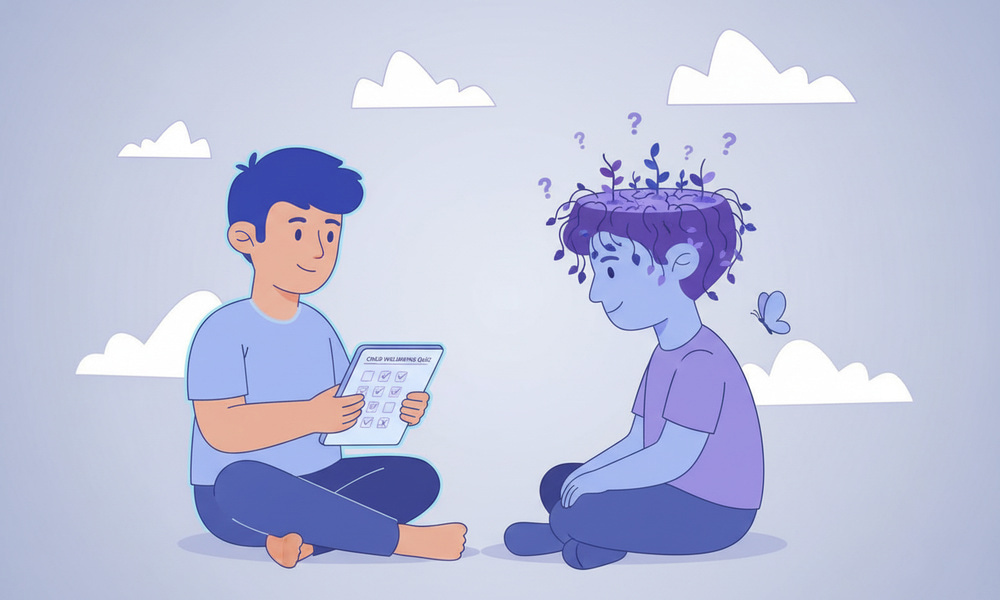
Screening for young people benefits from developmentally appropriate language, multiple informants, and sensitivity to school and family dynamics. Children may express distress through irritability, somatic complaints, or withdrawal rather than clearly verbalizing sadness. Collaboration among caregivers, educators, and health professionals creates a fuller picture, making it easier to align support at home and in the classroom. Consent, privacy, and follow‑up pathways should be clear before any tool is used in organized settings. Pediatricians sometimes request a child depression test alongside parent and teacher observations to round out the context. Adolescents face unique stressors, and resources tailored for depression teens should consider identity, peers, and school climate. Caregivers benefit when a focused depression symptoms test highlights patterns like sleep shifts or anhedonia. When results suggest elevated risk, timely referrals to evidence‑based therapies and, if indicated, medical evaluation can shorten the path to relief.
- Use youth‑validated scales and culturally responsive phrasing.
- Invite input from teachers about attention, effort, and peer relationships.
- Map out crisis procedures before screening begins in any group setting.
Cost, Access, and Ethical Use of Screening Tools
Access should not hinge on budget, geography, or scheduling, and ethical use requires transparency about purpose and limitations. Before starting, decide how results will be stored, who can view them, and how follow-up will occur if scores are high. Community clinics, telehealth, and campus services can often connect you with timely care, and many providers welcome self-tracking data as part of intake. Responsible communication avoids overpromising and clearly distinguishes screening from diagnosis.
Budget constraints fade when a trustworthy depression test for free is paired with clear guidance on follow-up. Organizations implementing tools at scale, workplaces, schools, or community groups, should provide de‑identified reporting, opt‑out choices, and pathways to confidential support. Individuals using self‑checks at home can improve accuracy by choosing a consistent time, minimizing distractions, and pausing if distress spikes. Above all, any concerning result deserves compassionate, prompt attention rather than silent worry.
- Set intentions for how you will use scores before you begin.
- Prefer sources that explain privacy policies and data retention.
- Link screening efforts to concrete resources for care and crisis support.
If you’re in crisis or considering self‑harm, contact your local emergency number or a suicide prevention hotline immediately, such as 988 in the United States or your country’s equivalent.
Depression Quiz for Teens & Adults
Get StartedFrequently Asked Questions
-
How accurate are mood screeners compared with a clinical evaluation?
Well‑validated instruments offer strong sensitivity and specificity for identifying likely cases, particularly in primary care and community settings. They are designed to flag patterns that merit a closer look, not to render a diagnosis on their own. A clinician considers medical history, medications, duration and intensity of symptoms, functional impairment, and safety, which goes beyond any checklist.
-
How often should someone repeat a self‑check?
Consistency is more valuable than frequency, so weekly or biweekly intervals work for most people who are not in crisis. The goal is to detect meaningful change, not day‑to‑day noise. Align timing with therapy sessions, medication adjustments, or lifestyle experiments to see whether scores trend in a healthier direction.
-
What red flags warrant immediate professional help?
Any thoughts of self‑harm, hopelessness that feels overwhelming, sudden functional collapse, or dramatic behavior changes require urgent attention. If you or someone you know may be in danger, contact local emergency services or a crisis hotline right away. Safety comes first, and rapid support can be life‑saving.
-
Can physical health issues skew results?
Absolutely, because symptoms like fatigue, sleep disturbance, or appetite changes can stem from thyroid problems, anemia, chronic pain, infections, or medication side effects. A full medical review helps distinguish overlapping contributors and reduces the chance of misinterpretation. Bringing lab results or a medication list to appointments can accelerate clarity.
-
How should parents approach screening with a young person?
Start with empathy and collaboration, emphasizing that a screener is a tool for understanding, not a label. Choose youth‑appropriate language, invite the child or teen to share their perspective, and coordinate with trusted professionals. Follow up with a plan that includes supportive routines, school partnership, and timely clinical input if scores are elevated.